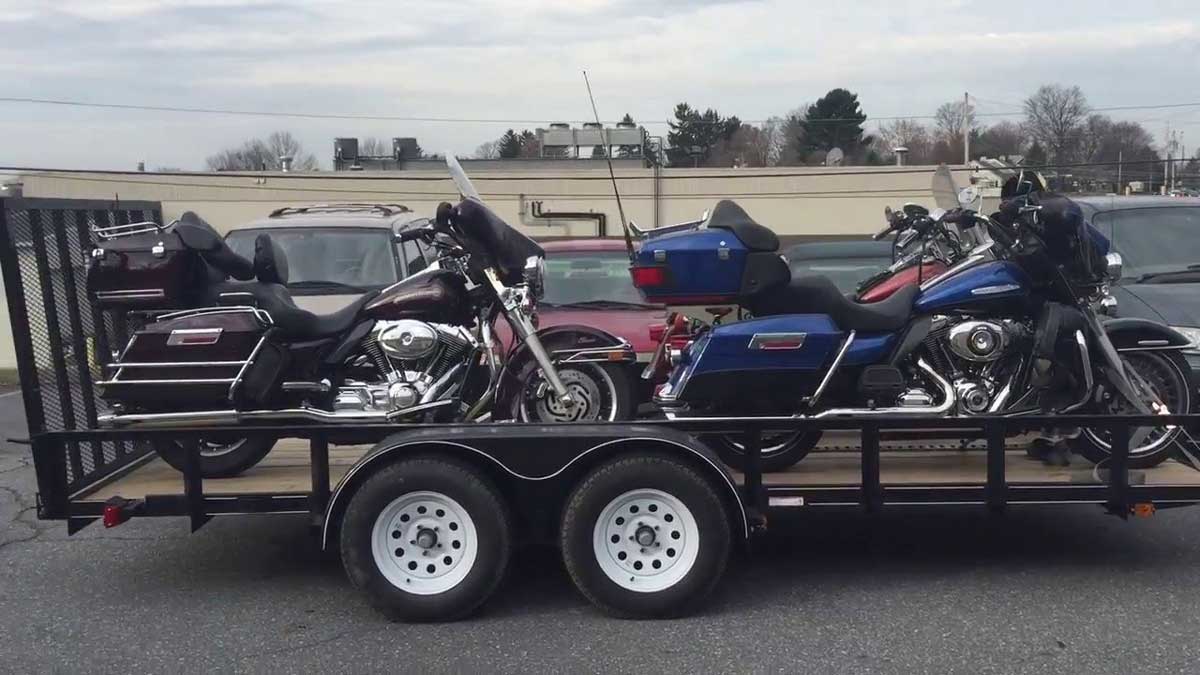
Moving a motorcycle from an apartment is rarely as simple as wheeling it toward the nearest exit. Parking garages, narrow ramps, elevators, security gates, shared driveways, and limited loading areas can turn a straightforward pickup into a coordination exercise.
The motorcycle itself also needs to be prepared before professional transportation begins. A little advance planning can make access easier, reduce delays, and give the transport crew the information needed to handle the bike appropriately.
Begin With the Apartment’s Access Rules
Before arranging pickup, check the property’s rules for vehicle movement and loading.
Some apartment communities restrict access to garages, require advance notification for large vehicles, or have designated loading areas. If the motorcycle is kept in a secured garage, determine how the transport crew will enter the building.
Price Movers offers motorcycle transportation for customers who need to move a bike as part of a relocation. The company’s dedicated motorcycle service can be found at https://pricemovers.com/services/vehicle-transport-services/motorcycle-transport.
Confirm the Pickup Location
A motorcycle parked in a basement garage may require a different approach from one stored on a ground-level parking space.
Tell the transportation provider exactly where the bike is located and explain any access restrictions. If there is a security gate, parking permit, elevator, or garage entrance involved, provide those details ahead of time.
Inspect and Photograph the Motorcycle
Before the motorcycle is prepared for transportation, inspect its exterior carefully.
Take photographs from both sides, the front, rear, and close-ups of any existing scratches, dents, chips, or other imperfections.
Record the Motorcycle’s Condition
A visual record provides a useful reference before the bike leaves the apartment complex. If the motorcycle has aftermarket components or distinctive accessories, photograph those as well.
Keep the images with your transportation documents instead of relying on memory.
Remove Personal and Loose Items
Motorcycles can have storage compartments, saddlebags, luggage cases, tool compartments, or attached accessories.
Check every storage area and remove personal belongings before pickup.
Loose objects should not be left on the motorcycle simply because they appear secure. Accessories that can move, detach, or become damaged during transportation should be handled according to the transport provider’s instructions.
Check Fuel and Mechanical Condition
Ask the transportation provider what preparation is required for fuel levels and mechanical components before pickup.
The motorcycle should also be checked for obvious leaks or mechanical issues. If it does not run, cannot be started, or has a mechanical problem, tell the transport company before the appointment.
A non-operational motorcycle may require a different loading procedure.
Mention Modifications
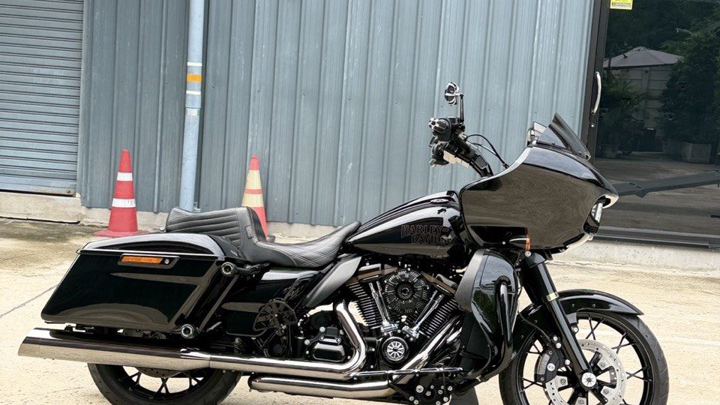
Custom handlebars, exhaust systems, windshields, luggage, lowered suspension, extended components, or other modifications can affect how a motorcycle is handled.
Do not assume the provider will know the bike’s exact configuration from its make and model. Accurate information helps the crew prepare for the actual motorcycle.
Plan the Route From the Parking Space
Apartment complexes often contain obstacles that are invisible from the street.
Walk the motorcycle’s route from its current location to the proposed pickup point. Check ramps, corners, narrow garage lanes, doorways, gates, and changes in elevation.
If the motorcycle is stored several levels below ground, confirm that the transport vehicle can access the appropriate loading location.
Keep the Route Clear
On pickup day, remove bicycles, boxes, vehicles, furniture, or other obstacles that could make maneuvering difficult.
If the building uses an elevator for access to the garage, confirm whether reservations are necessary and whether the elevator can accommodate the equipment needed for loading.
Coordinate With Apartment Management
If a transport vehicle needs to enter a private parking structure or remain near the building for loading, management may need advance notice.
Ask whether a loading permit is required and whether there are specific hours when commercial vehicles can enter.
This is a small administrative step, but it can prevent the crew from arriving at a locked gate or discovering that the designated loading area is unavailable.
Keep Keys and Documents Ready
Have the necessary motorcycle keys available and follow the transport provider’s instructions regarding documentation.
Do not leave important personal documents in saddlebags or other storage compartments.
Keep your records, photographs, registration information, and other relevant paperwork in a secure location where they can be accessed without opening the motorcycle’s storage areas.
Prepare the Destination in Advance
The pickup location is only half of the equation.
Before the motorcycle arrives at its destination, confirm where it will be unloaded and whether the delivery area provides enough space for safe access.
A new apartment may have the same types of challenges as the original property: restricted garages, security gates, narrow ramps, or limited parking.
Communicate Everything Before Pickup
The more unusual the apartment access situation, the more important early communication becomes.
Tell Price Movers about the motorcycle’s location, operational condition, dimensions if unusual, modifications, parking restrictions, elevator requirements, and any other factor that could affect pickup.
The company’s broader vehicle transportation information is available at https://pricemovers.com/.
Preparing a motorcycle for professional transportation from an apartment is ultimately a combination of bike preparation and property planning. Inspect the motorcycle, remove loose belongings, document its condition, disclose modifications, understand the building’s rules, and clear the route before the transport crew arrives.
When the motorcycle and the apartment complex are both ready, pickup becomes much more straightforward—and the transportation team can focus on moving the bike safely rather than solving avoidable access problems at the last minute.