Community colleges, with their enrollment buoyed by tuition-free policies in recent years, “remain the largest source of new transfers at the state universities,” said Mario Delci, associate commissioner for research and planning.
Category: Education

Massachusetts schools can apply for funds that will go toward programs that aim to teach students healthy social media use
Massachusetts public schools are entering an era of fewer children. The causes and consequences look different depending across the state.
The years-long gap between Early Intervention developmental services for children and public school can leave families without support .
The well-intended legislation was aimed at addressing persistent racial and socioeconomic achievement gaps, but what Beacon Hill perhaps didn’t foresee was the greater financial pressure it would place on municipal budgets as sluggish state aid growth that has not kept pace with inflation, strict limits on local tax increases, and rising costs continue to trap many local governments between a rock and a hard place.
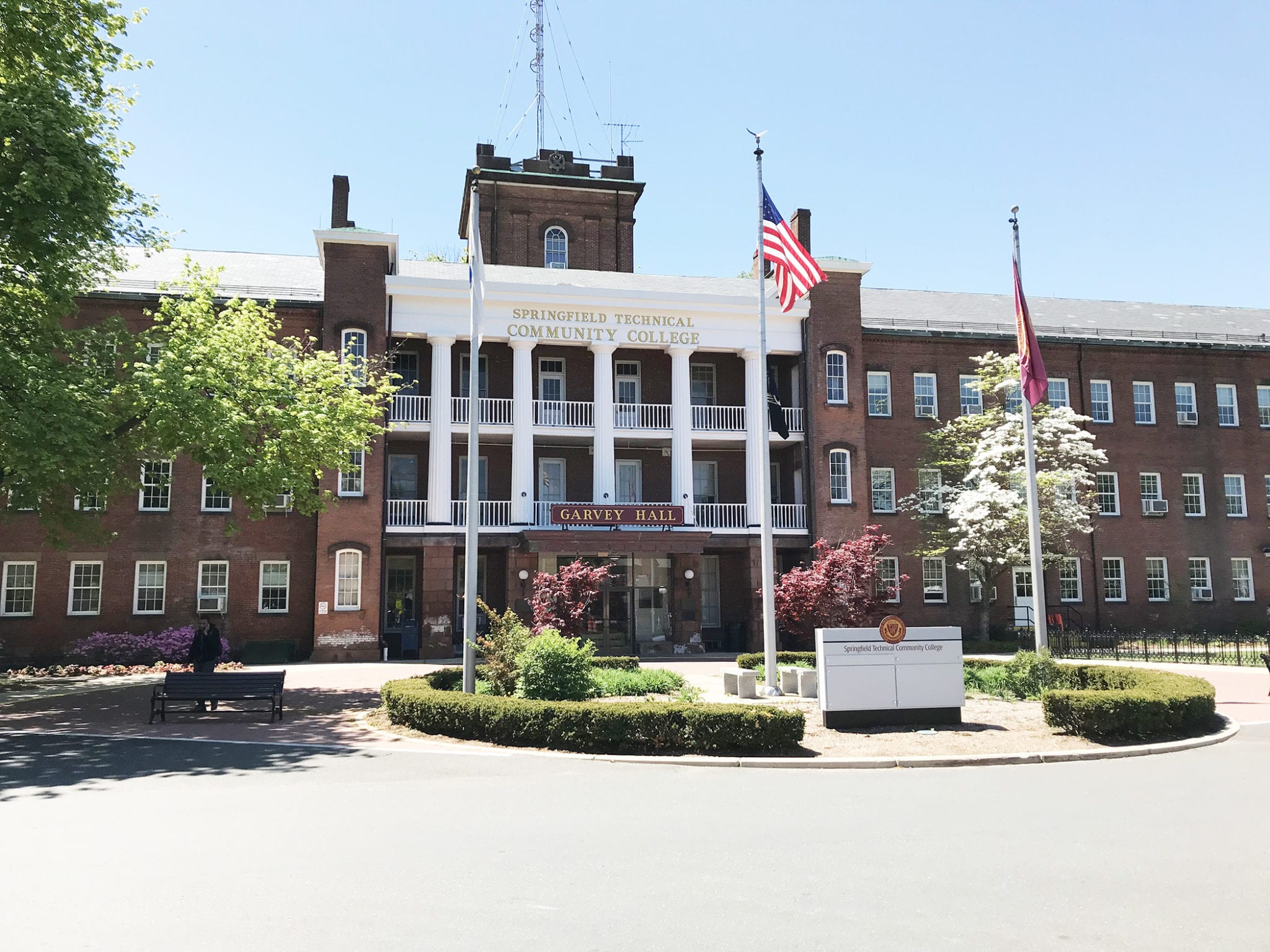
Ortega’s departure will further shift the state’s education leadership, following turnover within the Department of Elementary and Secondary Education and Education Secretary Patrick Tutwiler stepping down earlier this year.
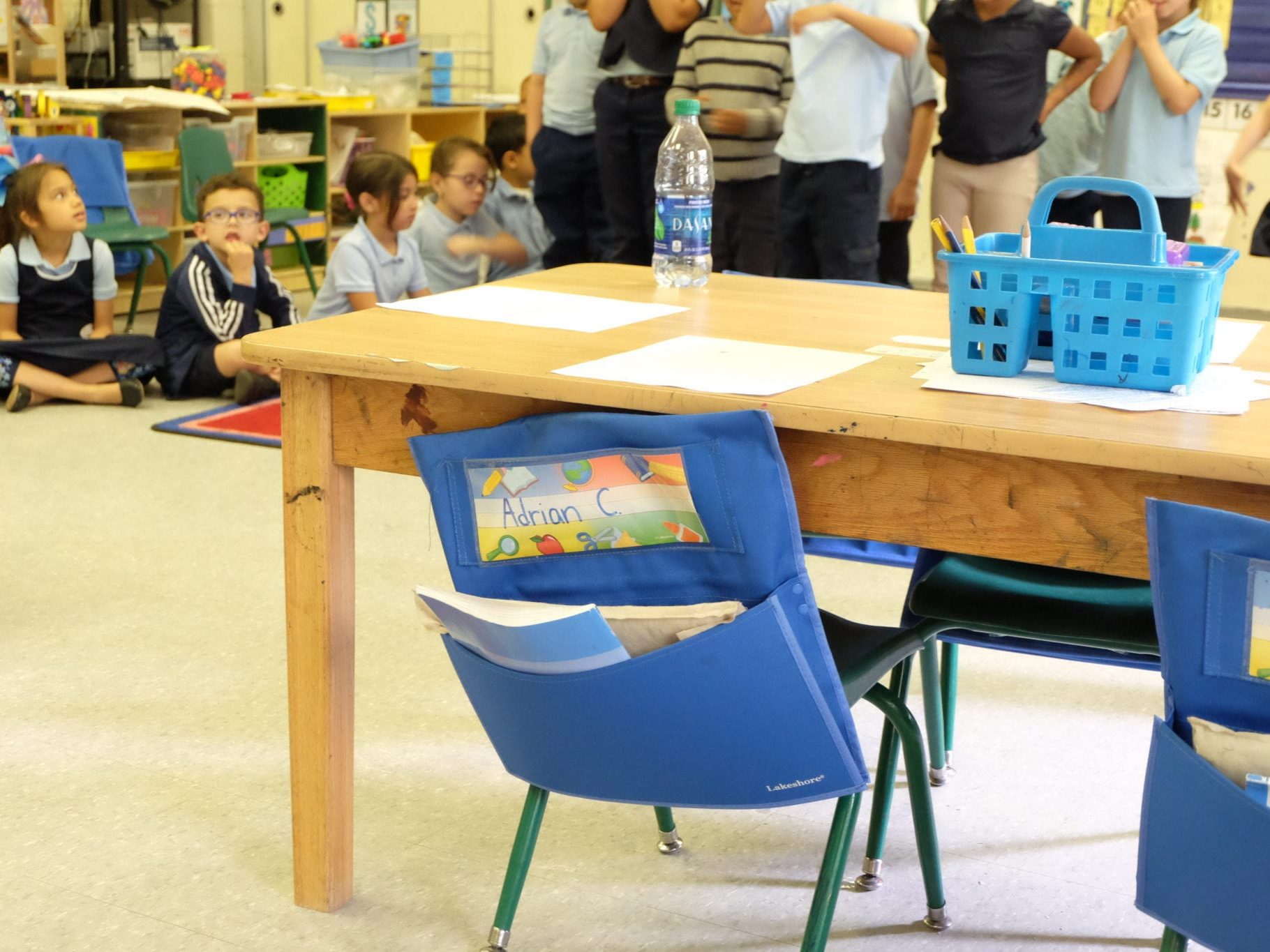
In 2012, after child advocates spent years trying to reduce punitive suspensions in schools, Massachusetts passed sweeping education reforms, kickstarting a longstanding policy shift away from exclusionary discipline methods. Nearly 15 years later, out-of-school suspensions are falling, but emergency removals — a mechanism allowing administrators to immediately remove a student from school due to severe behavior for up to two days — have increased.

The K-12 Statewide Graduation Council recommends in a new proposal that students complete state-designed and administered end-of-course assessments, sparking debate over whether Massachusetts is reintroducing the standardized testing voters rejected by ballot question in 2024.

Deploying a somewhat novel approach to budgeting “Fair Share” dollars, Gov. Maura Healey wants to give K-12 districts another funding injection amid rising economic pressures.

Funding for the Mass. Department of Early Education and Care increased by 125 percent between 2020 and 2025, helping support providers and expand capacity.