Across the country, cities are abandoning their parking minimums and hoping to end up with fewer parking lots and walkable, transit-oriented neighborhoods. The local rules have been used to ensure new developments can accommodate residents with cars and do not overwhelm on-street public parking. But urbanists have argued that the requirements gobble up land that could be used for more housing and drive up construction costs.
Category: Housing

Justices reject challenge from Marshfield that MBTA Communities law imposes an ‘unfunded mandate’ on municipalities
The South Coast community is on track to see its 20-acre waterfront transformed by a massive mixed-use development consisting of up to 1,500 new housing units, all of which the city has indicated should be market rate. The move has angered affordable housing advocates and sparked a familiar debate, where pro-development and pro-affordability ideals seem to be at odds.
The Tenant Opportunity to Purchase Act is currently under negotiations on Beacon Hill. Advocates say it could preserve lower cost housing.
$15.3 million in tax credits will be used to turn vacant or underutilized commercial properties into residential units
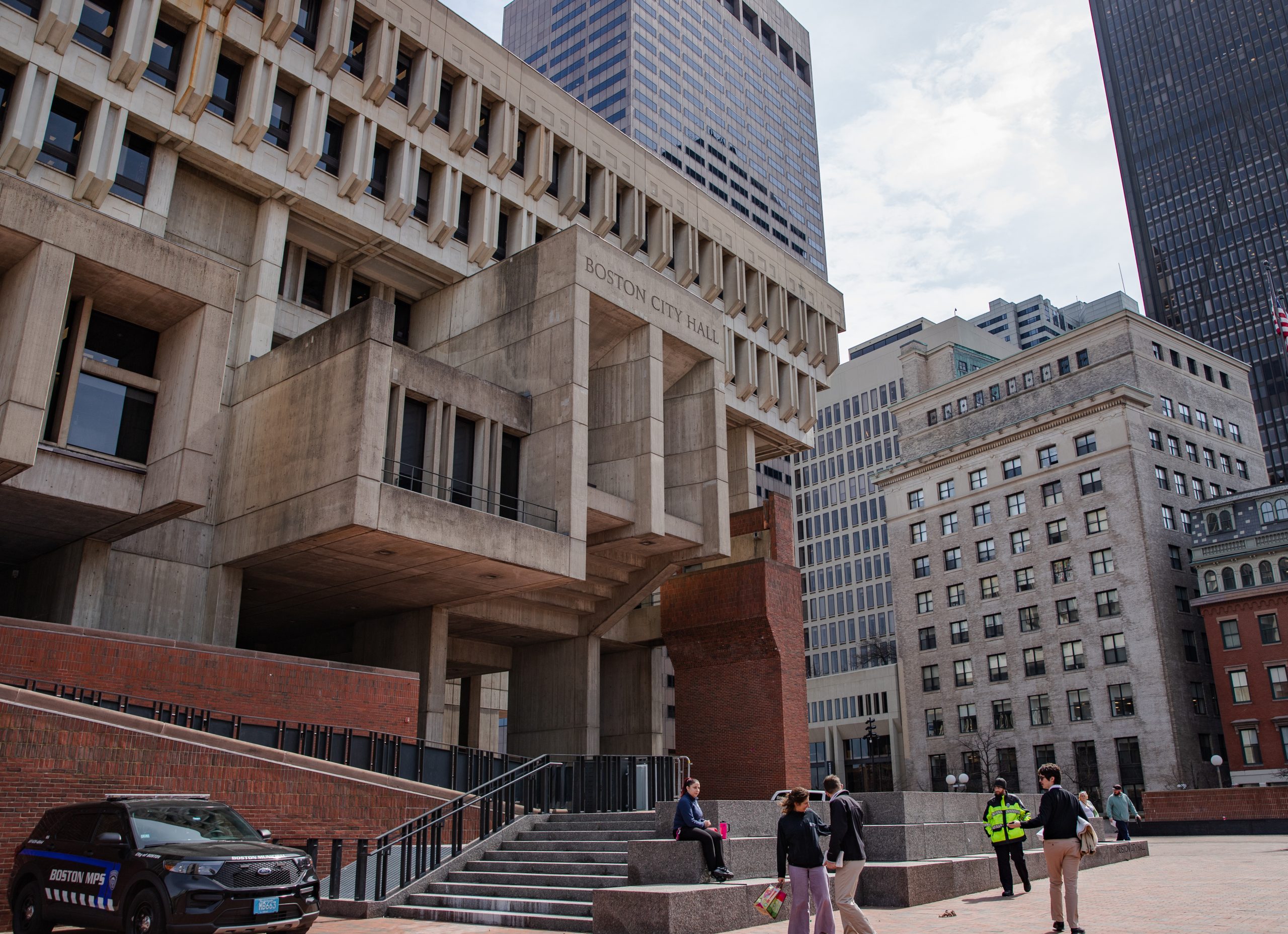
None of the big housing reforms passed recently on Beacon Hill apply to Boston, which is covered by its own state-authorized zoning code, not the code directly changed by legislation, which covers every other municipality in Massachusetts.

“It’s not very tailored to Massachusetts related-housing concerns,” said Andrew Mikula, senior housing fellow at the Pioneer Institute. “The bill nibbles at the edges on a number of process and regulatory standards,” which “disproportionately” affect other regions more than the Northeast.
Lawmakers “could, say, take another 10, 20 years to ask cities and towns to legalize duplexes,” said Amy Dain. “We have learned that is not possible. You could spend 50 years on it and you would only see it at the margins.”

The Senate’s economic development bill, which lawmakers have teed up for a vote next week, includes a provision that would require municipalities to allow duplexes as-of-right on all residentially zoned lots.
A rundown of recent actions, pending proposals, and actions at the Supreme Judicial Court influencing housing policy more aggressively than any single piece of legislation.