
Voter turnout in cities like Worcester fall far behind state and county levels
Affordability solutions in play on the 2026 campaign trail, and before Massachusetts Legislature
The auditor’s report unveils how even before the agency was thrust into turmoil with record-breaking poor performance during a time of a relatively stable job market, out-of-work Massachusetts residents weren’t receiving the help they needed in a timely fashion.
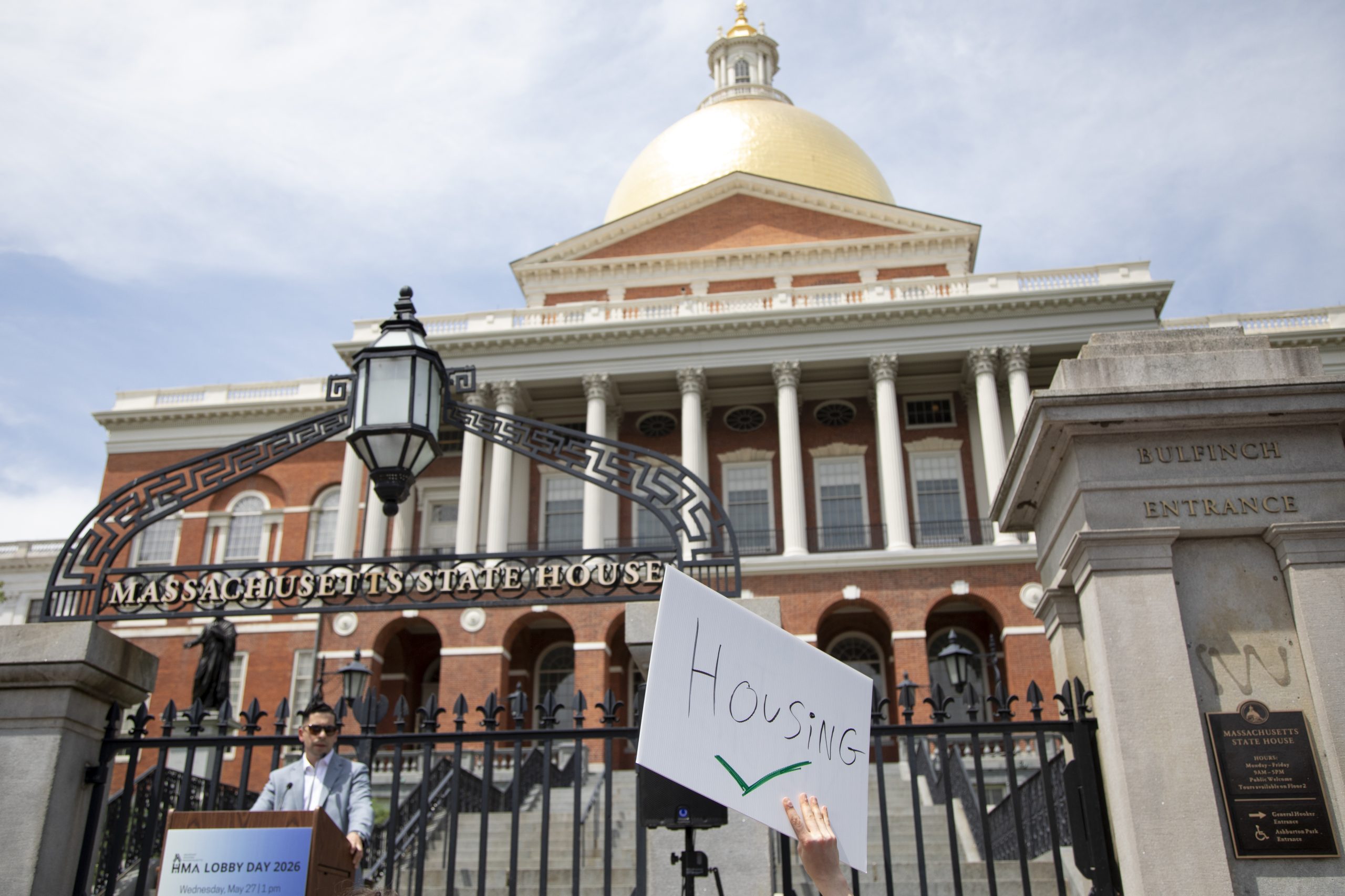
Justices reject challenge from Marshfield that MBTA Communities law imposes an ‘unfunded mandate’ on municipalities
Republican gubernatorial candidate Mike Minogue last week launched an ad saying he would suspend the gas tax “until prices stabilize.”
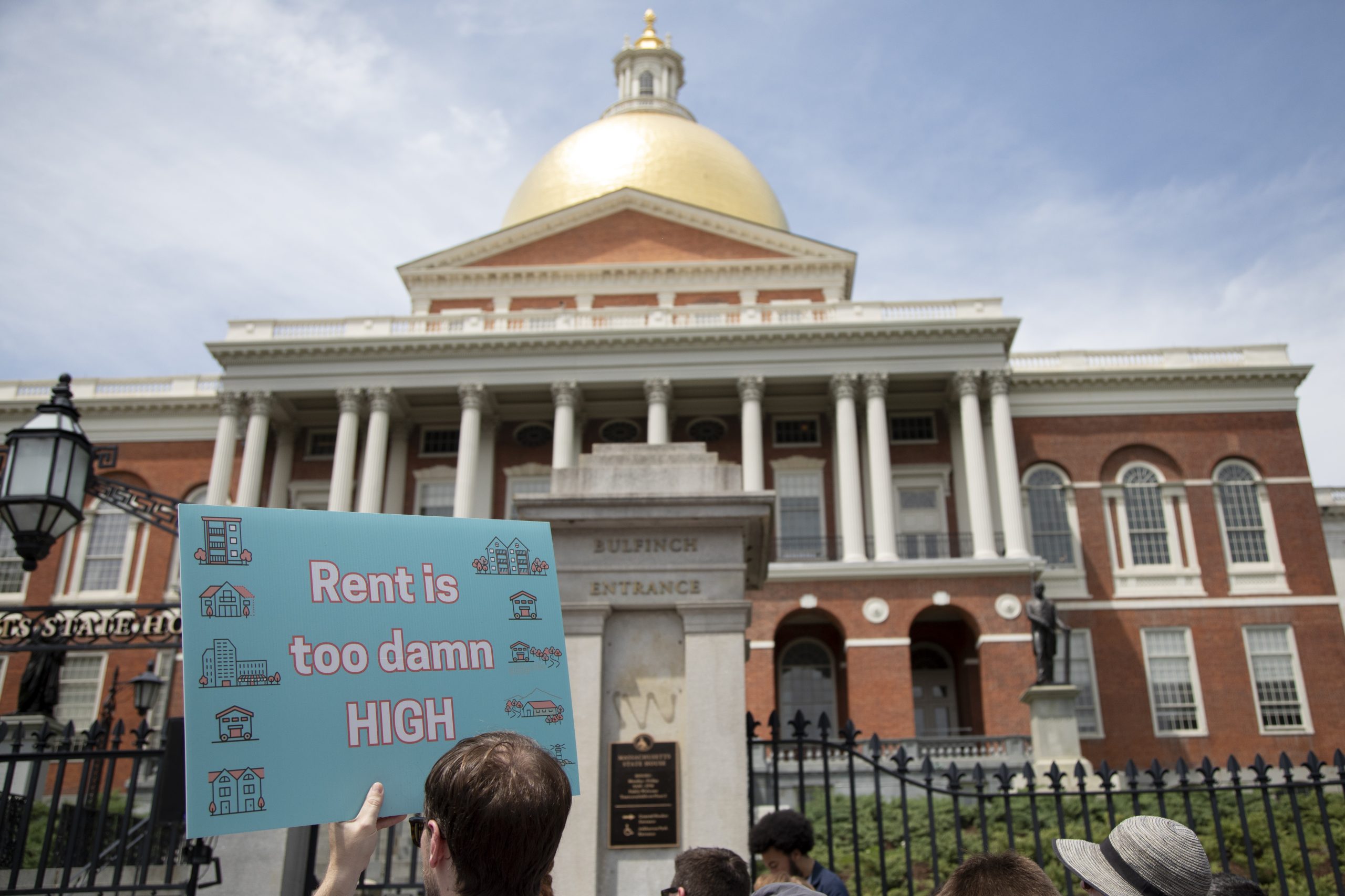
People who are finishing their education are almost twice as likely to consider leaving Massachusetts in the next five years, quantifying a dynamic many have long suspected in a state that welcomes crowds of college students every year.
The total number of job losses in the last two months – about 11,100 – almost matches the jobs gained since September.

Organized labor has been out in force on ballot measures — recently literally trying to secure bargaining power through the ballot — and that means manpower, mobilization, and money funneling toward a set of policy measures that the Legislature has waved away. This week on The Codcast, CommonWealth Beacon reporter Jennifer Smith looks at unions and direct democracy with two guests. Nick Juravich, associate professor of history and labor studies and associate director of the Labor Resource Center at UMass Boston, breaks down where we sit in the history of unions and ballot efforts. Then Chrissy Lynch, head of the Massachusetts AFL-CIO, explains how the unions themselves pick their targets.
Federal oversight of the MBTA began amid a series of incidents including derailments and the death of a Red Line passenger.
The South Coast community is on track to see its 20-acre waterfront transformed by a massive mixed-use development consisting of up to 1,500 new housing units, all of which the city has indicated should be market rate. The move has angered affordable housing advocates and sparked a familiar debate, where pro-development and pro-affordability ideals seem to be at odds.