
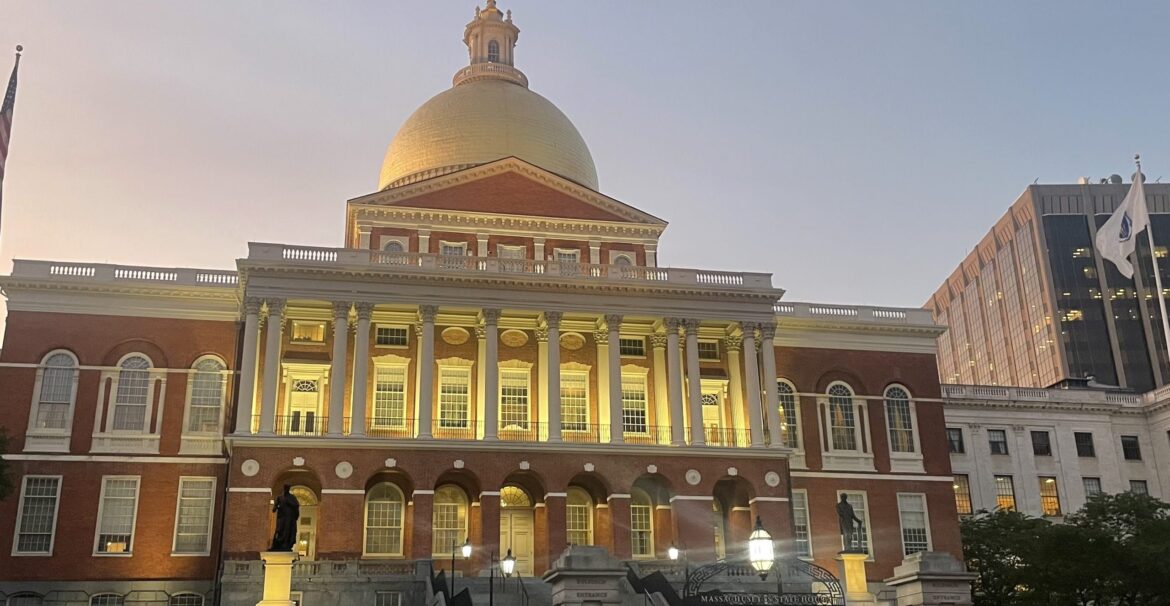
Beacon Hill made it through the traditional end-of-formals deadline with less chaos and upheaval than 2024 and 2022. But in the process, lawmakers left many big decisions for another day.
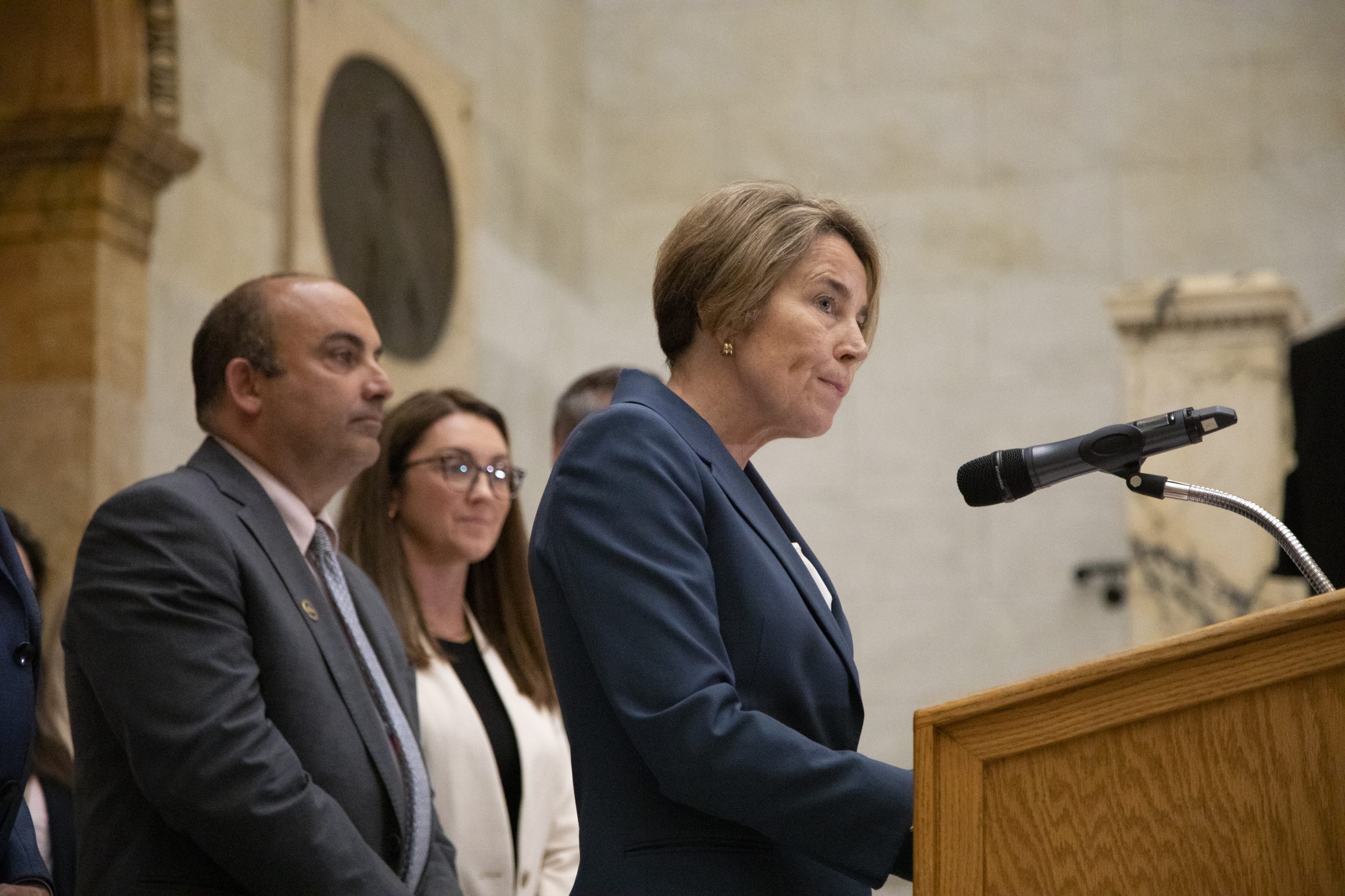
The bill (H 5620) that cleared the House and Senate on split votes last Thursday would expand protections against warrantless civil immigration arrests to courthouses, public schools, child care centers and health care facilities.

In 2012, after child advocates spent years trying to reduce punitive suspensions in schools, Massachusetts passed sweeping education reforms, kickstarting a longstanding policy shift away from exclusionary discipline methods. Nearly 15 years later, out-of-school suspensions are falling, but emergency removals — a mechanism allowing administrators to immediately remove a student from school due to severe behavior for up to two days — have increased.

IN THE WAKE OF alleged signature fraud, rifts within the Republican Party have emerged. Republicans and Democrats have also found common ground: a desire

Rising power demand, ambitious clean energy targets, the rise of artificial intelligence, and skyrocketing electricity prices are colliding to create a profound moment of disruption in New England’s ability to plan for the needs of the future while keeping the lights on today. Dr. Vamsi Chadalavada, president and CEO of ISO New England, the operator of the region’s energy system, joins CommonWealth Beacon reporter Jordan Wolman to discuss how he’s balancing it all.

As they wrapped up a host of priorities on the last day for major new business, legislators gave final approval to a measure aimed at preventing politically charged book bans.
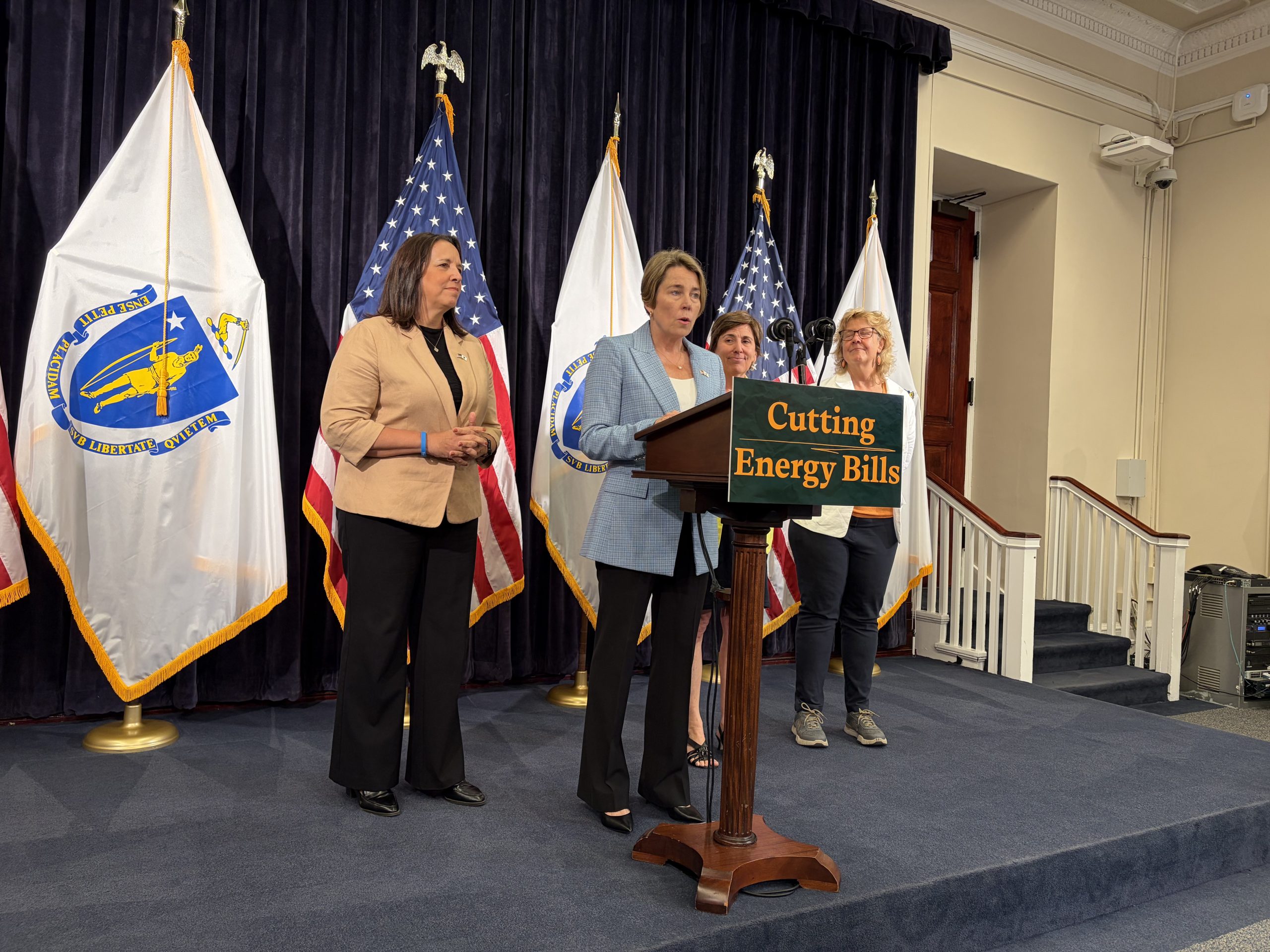
Healey’s decision to speak specifically on energy policy as the Legislature scrambled elsewhere in the State House to tackle other priorities is the latest sign of urgency from the governor to respond to Bay Staters’ angst around soaring utility bills — and of the political salience of the issue as the governor seeks reelection this fall.

Negotiations on a final compromise could prove arduous, but the House and Senate agree on the fundamental idea of more than doubling the share of health care spending that goes toward primary care to ease the crisis that’s left many patients struggle to find appointments.

Backers of the Maine law argue that super PAC spending is rapidly ballooning, and becoming so associated with particular candidates and their pet issues that the principle of limiting campaign contributions should also apply to super PAC contributions.
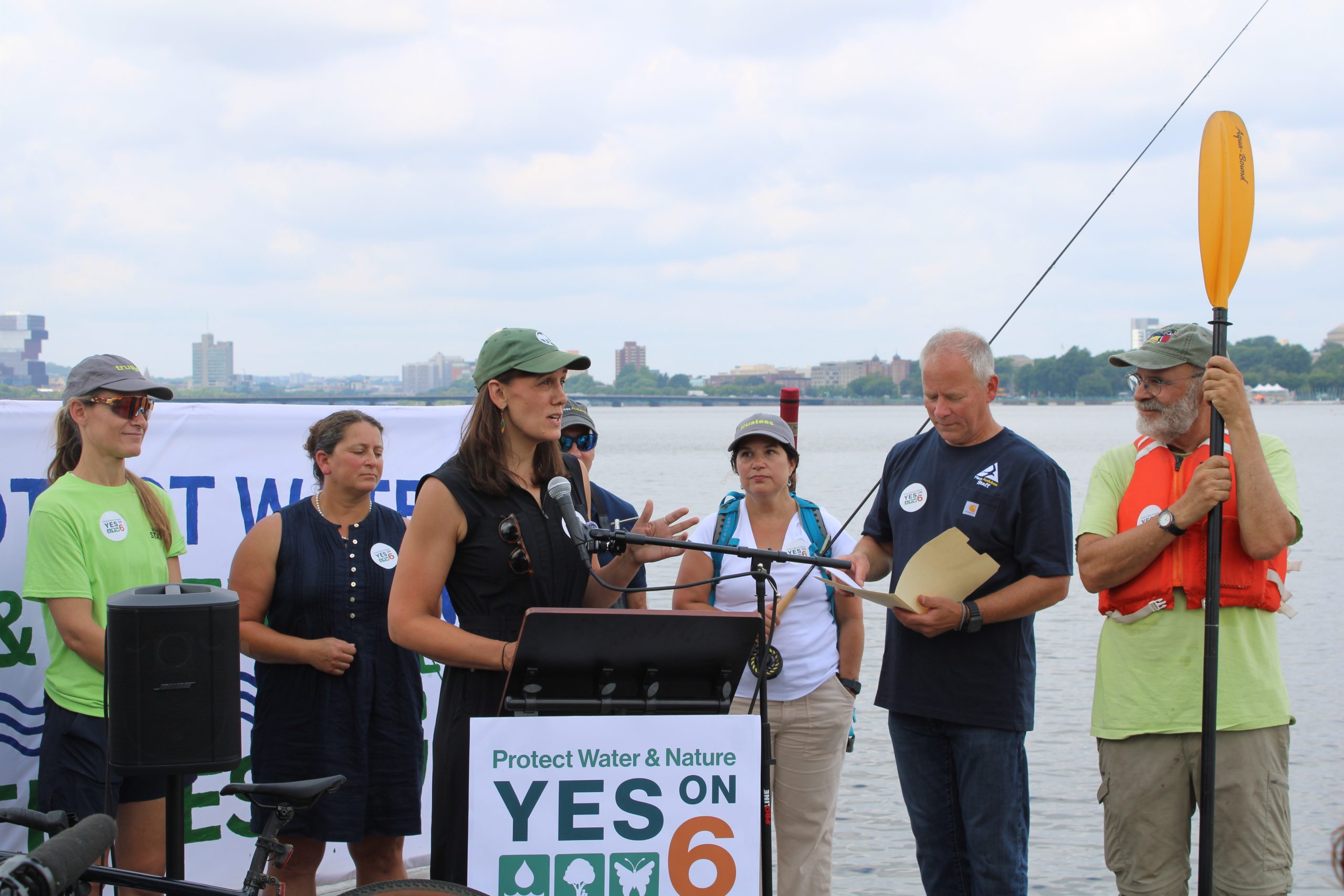
As the campaign shifts from ballot-qualifying to general election mode, what the end result will be of all the money raised and spent, all the signatures collected and ads likely to come, and all the potential friction introduced with Beacon Hill — even if the question passes this fall — is for now unclear.